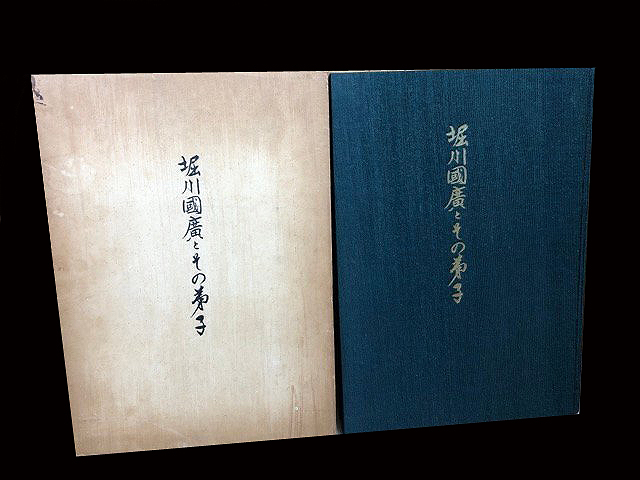
Horikawa Kunihiro and his students (Horikawa Kunihiro to sono deshi)
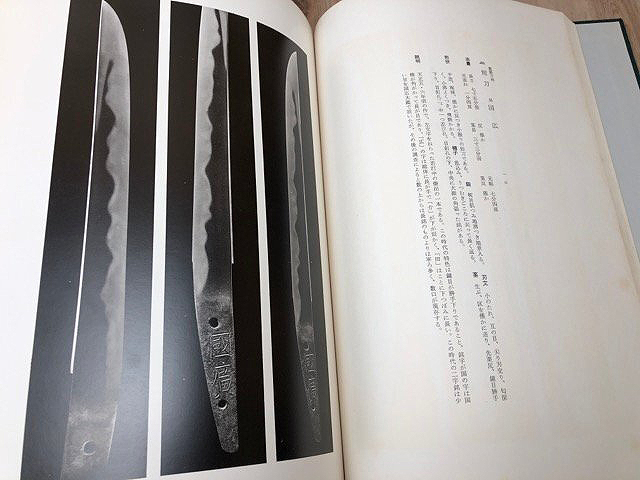
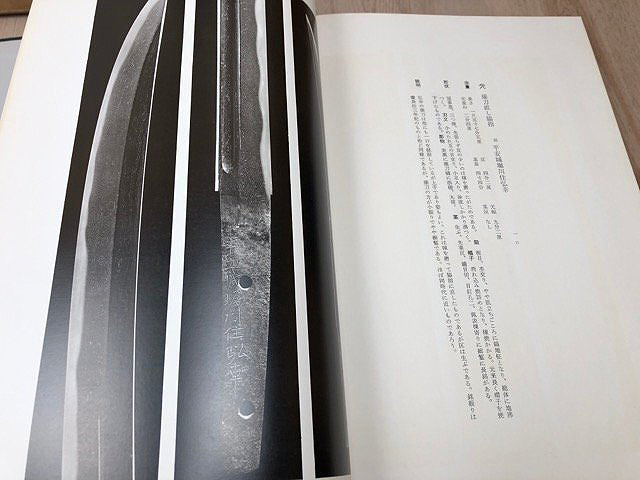
Kunihiro Horikawa is considered one of the most influential swordsmiths of the Azuchi-Momoyama period. The book is highly regarded among collectors of Nihonto (Japanese swords) because it contains detailed descriptions and high-quality illustrations of the blades.
The book “Horikawa Kunihiro and his students” is an indispensable standard work for anyone who is deeply involved with Japanese swords of the Momoyama and early Edo period.
1. Focus on Horikawa Kunihiro (1531–1614)
Kunihiro is considered the "founder of the Shinto sword" (new swords from around 1596). This book illuminates his unique style:
Technique: He was known for reviving old traditions, especially the Soshu-den style (powerful blades with prominent temper lines).
Masterpieces: Significant blades are analyzed, including the famous Yamanbagiri Kunihiro, which he crafted as a copy of an older sword.
History: His journey from samurai in the service of the Ito clan to wandering monk and finally to celebrated master swordsmith in Kyoto.
2. The Horikawa School and its Students
Kunihiro was not only a brilliant blacksmith but also an outstanding teacher. A large part of the book is dedicated to his students, who together formed the influential Horikawa School. Among the most important figures discussed in the book are:
Echizen no Kami Kunihiro: One of his closest confidants.
Dewadaijo Kunimichi: Known for his highly individual, often "wild" style.
Osumi no Jo Masahiro: Famous for his exceptionally elegant blades.
Kunitoshi and Kuniyasu: Other important names who spread the school's reputation throughout Japan.
3. Scientific Value
The book contains:
Oshigata: Detailed hand-drawn illustrations of the sword tangs (Nakago) and temper lines (Hamon), crucial for experts to distinguish originals from forgeries.
Research by Sato Kanzan: As the editor was one of the most prominent experts of the 20th century, the information in this book is considered historically highly accurate and well-founded.
4. Cultural Context
It is explained how the swords of the Horikawa school reflect the transition from the warlike Sengoku period to the more peaceful Edo period – they were both deadly weapons and highly prized art objects of the nobility.
Horikawa Kunihiro and his students (Horikawa Kunihiro to sono deshi) - #B0086
In Japanese. (1962)
Author: Kan'ichi Sato (Kanzan Sato)
Very good used condition.
Price is for one book.
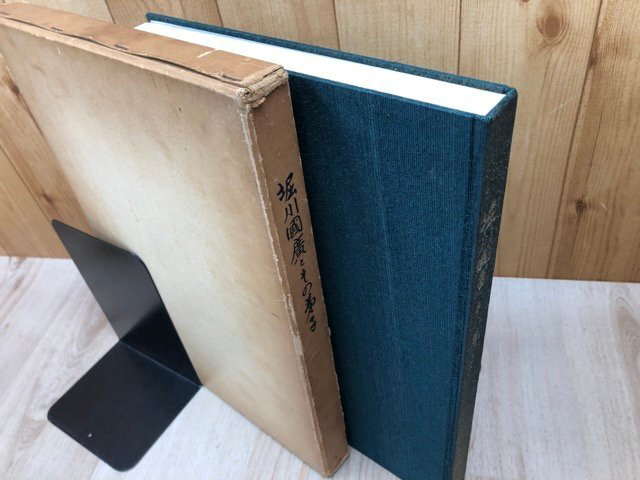
Hardcover - 262 pages, 37.5 cm x 26.5 cm
Out of print.
Extremely rare.
Price: 480 EUR + shipping