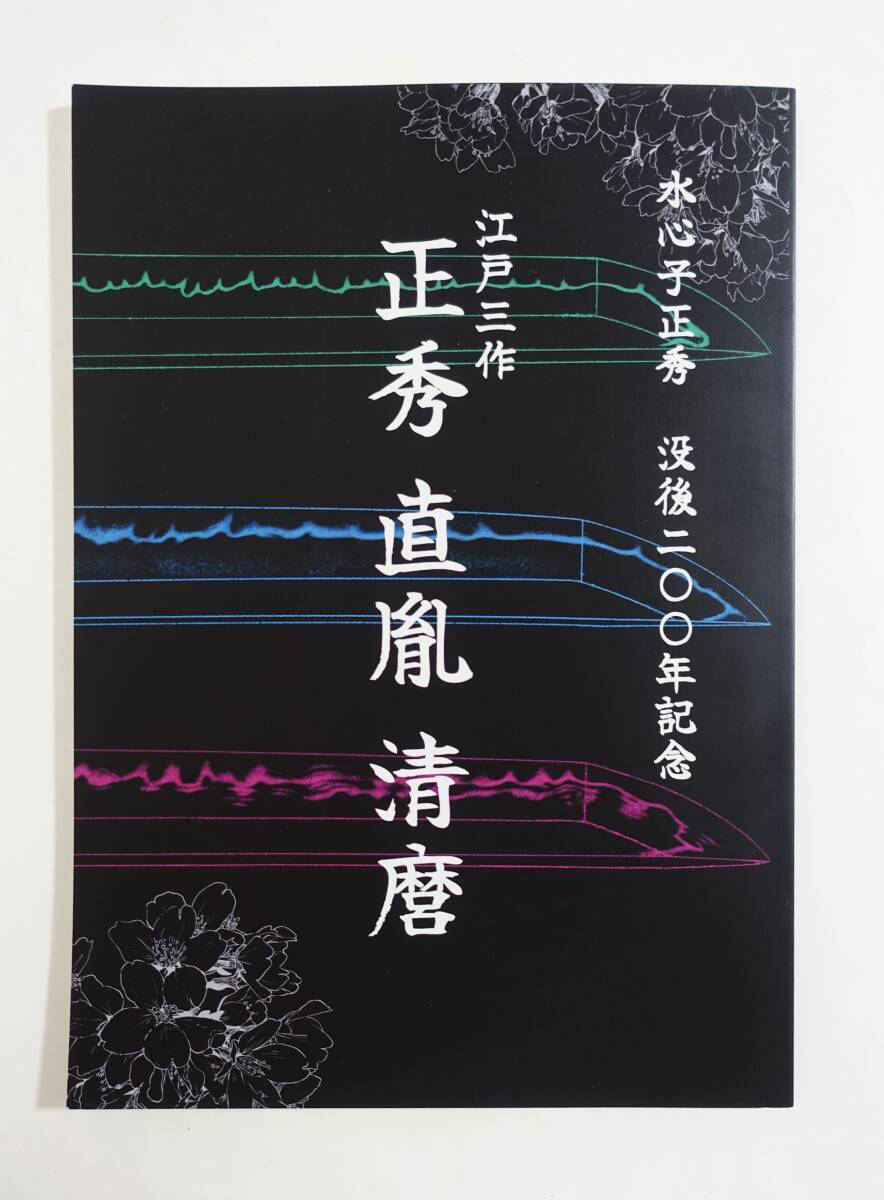
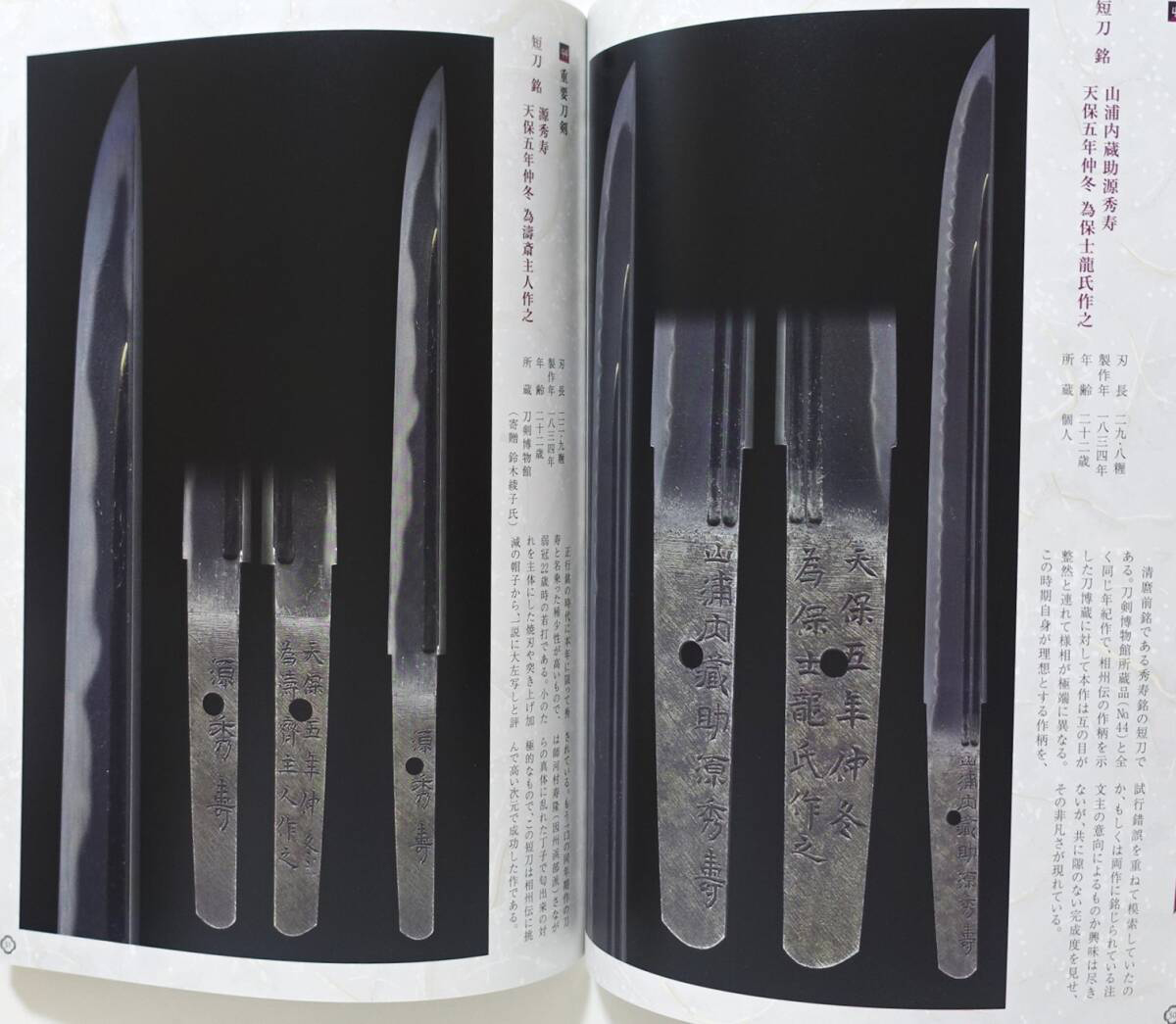
"The Three Great Masters of the Edo Period" (Masahide, Naotane and Kiyomaro)
In the history of Japanese swords, the demand for swords as weapons declined during the mid-Edo period due to a long period of peace, leading to a decline in Japanese sword production. Compared to other eras, fewer works from this time have survived, and the number of renowned swordsmiths remained small. Following this decline, sword production experienced a revival from the An'ei period (1772–1781) onward, influenced by external factors and other influences, and a large number of Japanese swords were crafted. Swords from the An'ei period to the end of the Edo period are commonly referred to as "Shinshinto," and Suishinshi Masahide is considered the founder of this style. Masahide promoted the so-called "restoration of the sword," which attracted up to 100 students from all over Japan. He authored textbooks such as "Kenko Hidenshi" and "Token Jitsuyoron," which significantly influenced swordsmiths.
In 2025, the 200th anniversary of Suishinshi Masahide's death was commemorated. Swordsmithing, which had overcome its decline thanks to Masahide, experienced a rapid revival during the turbulent times of the late Edo period, leading to the rise of numerous excellent swordsmiths. Edo was the center of this art form, and its three most prominent figures were Masahide, Taikei Naotane, and Minamoto Kiyomaro. As they lived in Edo, they are collectively known as the "Three Masters of Edo," and their works are highly valued today as works of art. This exhibition commemorates the 200th anniversary of Masahide's death and brings together works by these three masters. It is hoped that through the masterful work of these famous swordsmiths of the late Edo period, you will experience the historical context and the high artistic value of swords—which are far more than just weapons.
"The Three Great Masters of the Edo Period" (Masahide, Naotane and Kiyomaro) - #B0085
Exhibition book for the 200th anniversary of Suishinshi Masahide 2025
In Japanese and English.
Very good condition.
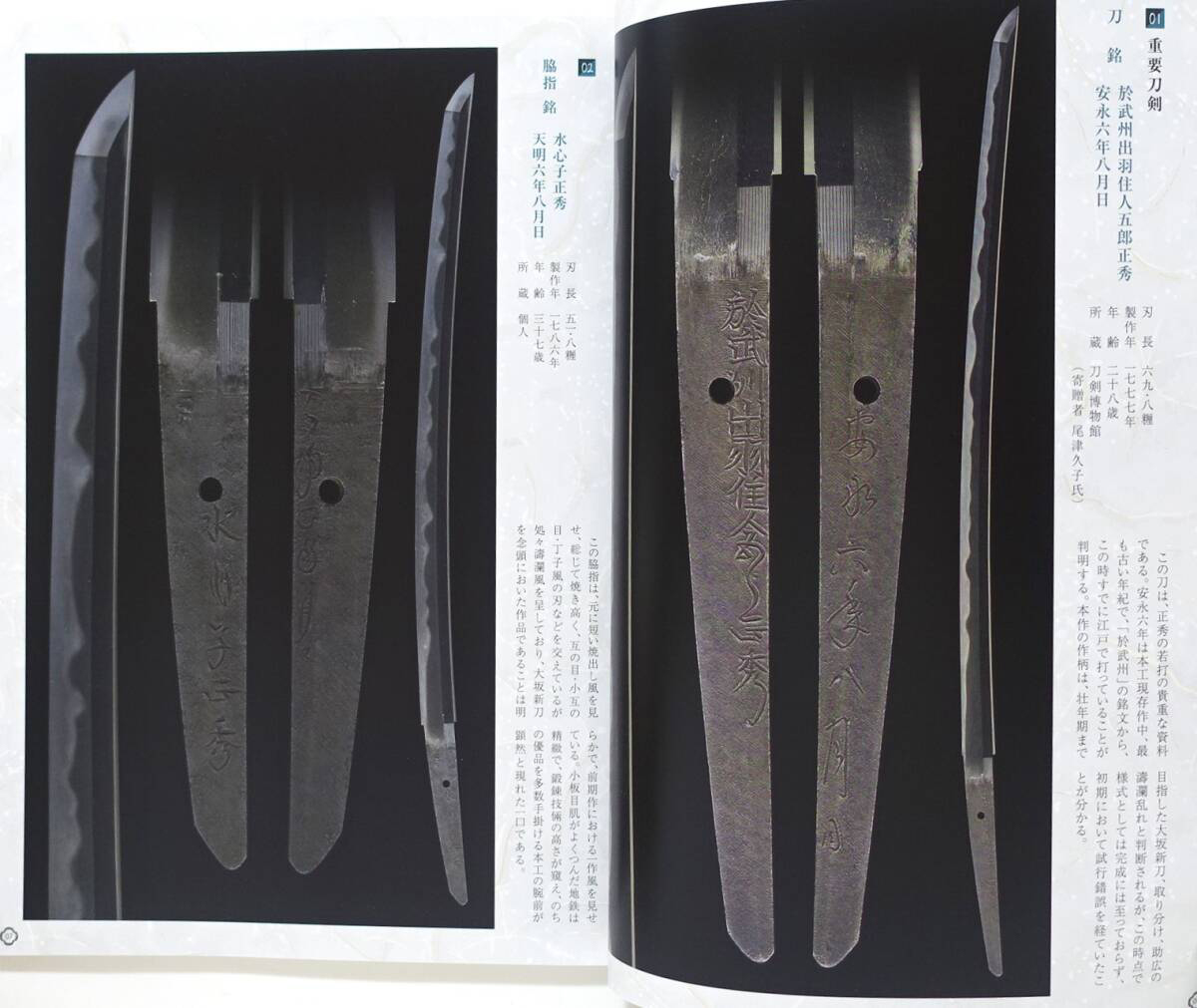
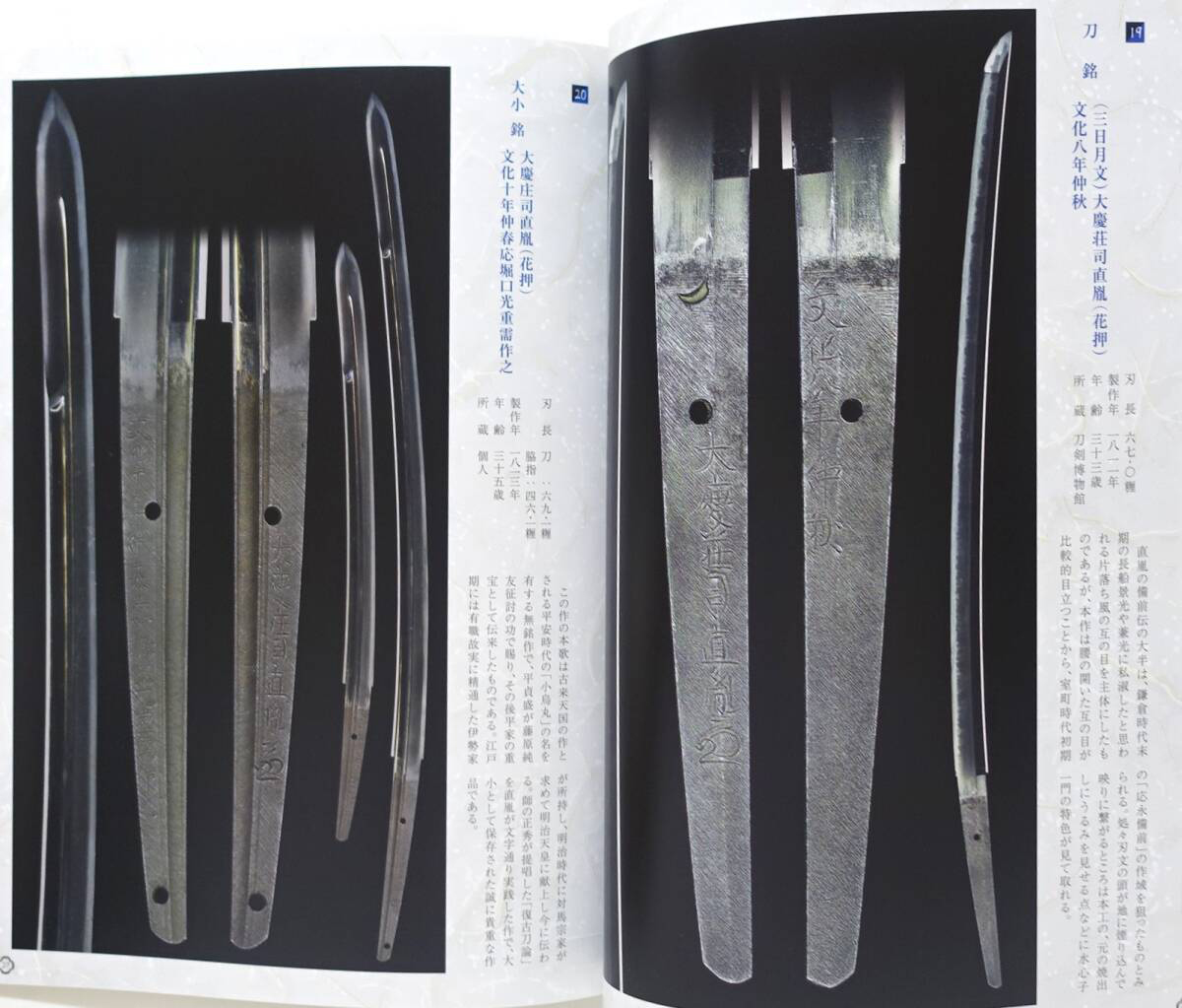
Softcover. 91 pages.
Price is for one book
Price: 150 EUR + shipping